Our purpose

From Primate Rescue to National Conservation

For over twelve years, Free to Be Wild (FTBW) has operated from a 20-acre sanctuary on the outskirts of Bulawayo, Zimbabwe. What began as the country’s first dedicated primate rehabilitation center has evolved into a comprehensive, multi-species rescue and conservation powerhouse. Today, our purpose is not just to rescue individual animals, but to protect the very systems that allow them to thrive in the wild.

A Proven Legacy of Rescue and Rehabilitation

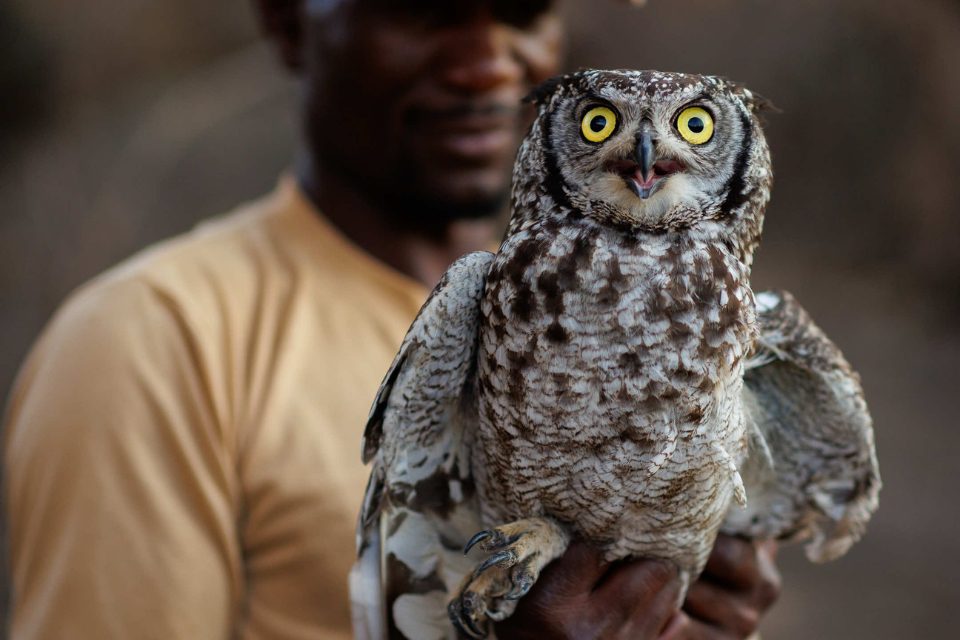
While our roots remain deeply planted in primate protection, our expertise now extends to a diverse range of Zimbabwean wildlife. We provide an integrated emergency response for injured, orphaned, and displaced animals across the nation.

Specialised Care

We currently manage 89 animals in active care, ranging from primates and carnivores to critically endangered species like pangolins.

Clinical Excellence

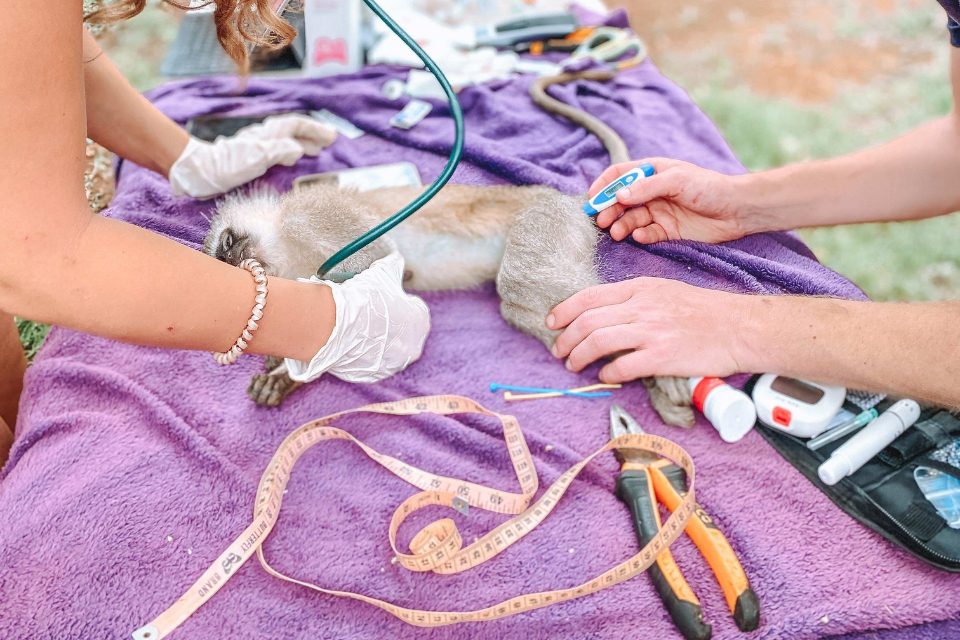
Our sanctuary features dedicated veterinary preparation, treatment, and quarantine zones to support high-care medical recoveries.

The Goal of Release

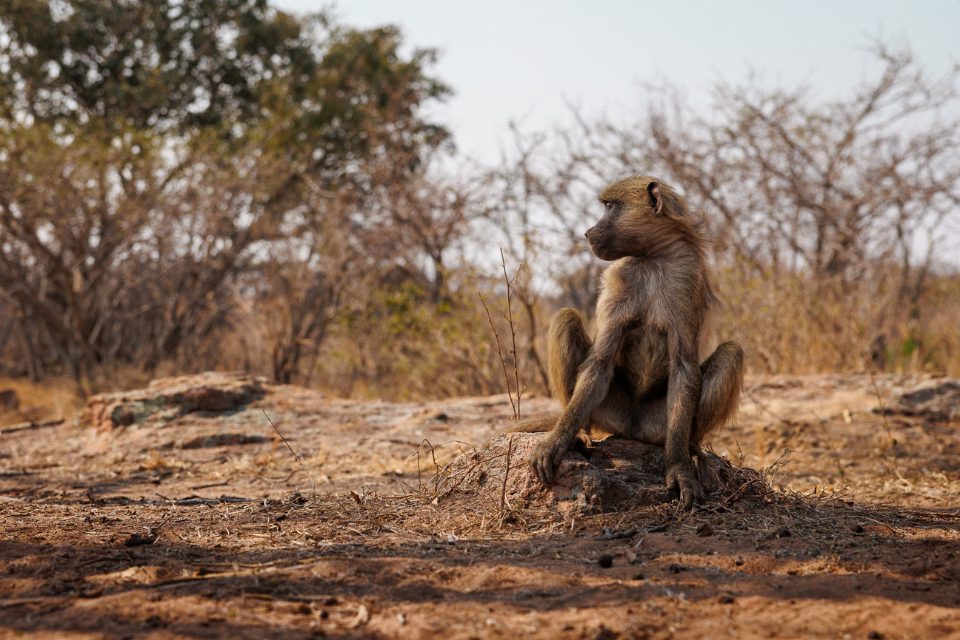
We believe every animal belongs in the wild. Through rehabilitation, we have successfully released over 750 animals back into protected environments.

Education and Community Coexistence

We recognise that true conservation happens outside our fences. Our purpose includes a massive national education mandate to build a future where humans and wildlife coexist peacefully.

  • National Outreach: We engage 192 schools annually, reaching an estimated 14,000 students with programs on ecosystem protection and wildlife awareness.

  • Community Partnership: We have trained 50 communities in conflict resolution and support 150 rural families through sustainable stewardship initiatives.

The Heart of the Sanctuary

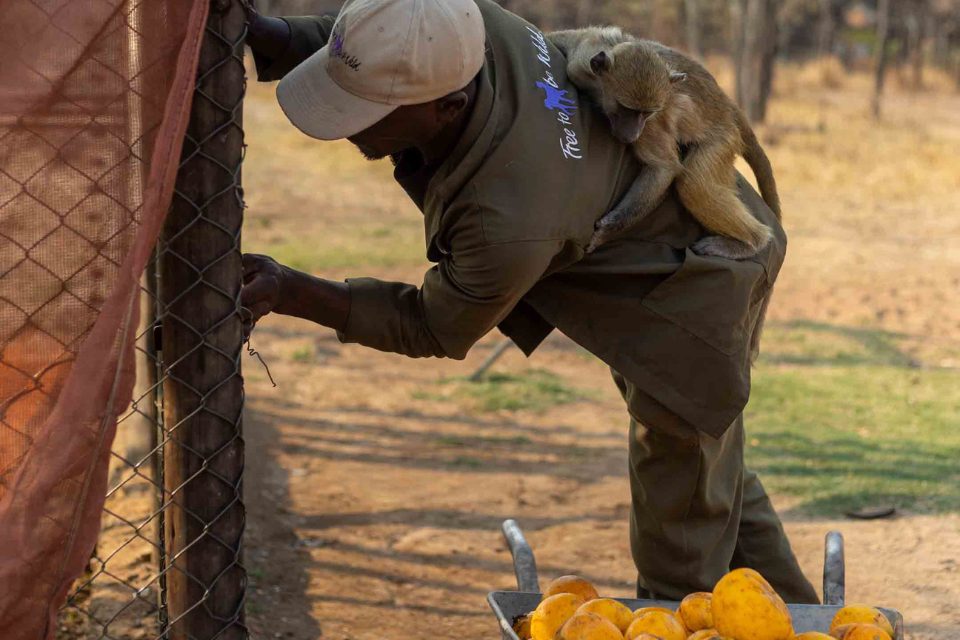
The success of Free to Be Wild is driven by a dedicated on-site team providing 24-hour supervision and emergency response. Under the leadership of Founder Baye Pigors, our staff—from expert animal handlers to veterinary specialists—provide the stimulation, nursing, and specialised environments essential for growth and development